What Is Fretboard Material? A Guide for Electric Guitars Buyers (2026)
As an Amazon Associate we earn from qualifying purchases. Links on this page are affiliate links.
Fretboard Material Explained for Buyers
The fretboard is the flat surface on the neck where you press strings against metal frets. This component shapes the feel and tone of your electric guitar. When you look at specifications, you will often see two primary materials listed: rosewood and laurel. Understanding these options helps you choose the instrument that fits your playing style.
Rosewood is a dense, oily hardwood. It has been a standard in guitar building for decades. The natural oils in the wood provide a smooth playing surface. You do not need to apply extra finish to the fretboard. This results in a warm, rich tone with strong midrange frequencies. Many players prefer this material for its consistent feel and classic sound profile. It absorbs moisture slightly, which can help stabilize the wood in varying humidity.
Laurel is a close relative of rosewood. It shares many physical properties with its more famous cousin. The grain is often finer and more uniform. This gives the fretboard a slightly different visual appearance. Tonal characteristics are similar to rosewood, offering a balanced response. Some manufacturers choose laurel for its sustainability and consistent availability. It provides a fast, smooth feel under your fingers. The density allows for clear note definition across the entire range.
When you are shopping, check the product details for the specific wood type. Listings will label this as the fretboard material explained in various guides. You might see terms like Indian rosewood or Australian laurel. These distinctions matter less than the general category. Both materials require minimal maintenance compared to unfinished maple. They offer a direct connection between the string vibration and the body. Your choice depends on whether you prioritize traditional warmth or modern consistency. Both options deliver reliable performance for electric guitar players.
Laurel Versus Rosewood Fretboards
Laurel
Laurel is a dense hardwood often used as a sustainable alternative to traditional exotic woods. It offers a smooth finish and a bright, articulate tone with strong note definition. The material is hard, which contributes to tuning stability and durability over time. You will find this wood on instruments like the Leo Jaymz DIY Explorer Kit, which pairs it with a mahogany body for a balanced sound. It is a practical choice for builders and players who want a reliable, consistent surface. The finish is often pre-oiled or sealed, requiring minimal maintenance. This makes it suitable for beginners who prefer a low-maintenance instrument. The trade-off is that it lacks the deep, organic warmth associated with other hardwoods. Instead, it provides a crisp response that works well for various playing styles. You get a sturdy neck that holds up well to regular use.
Rosewood
Rosewood is a classic fretboard material known for its rich, warm tonal characteristics. It has a natural oil content that gives it a smooth feel and helps resist drying out. This wood often produces a fuller sound with enhanced bass and midrange frequencies. You will see it on models like the Leo Jaymz Hurricane Deluxe Series, which combines it with a roasted maple neck for stability. Rosewood is favored by players seeking a vintage vibe or a more organic tone. It requires occasional conditioning to maintain its luster and prevent cracking in dry environments. The material is dense but slightly softer than laurel, offering a comfortable playing feel. It is a traditional choice for electric guitars, providing a versatile palette for different genres. The main consideration is the need for regular care to keep the wood in optimal condition. It is ideal for those who prioritize tone warmth and classic aesthetics.
Is This Spec Worth Your Attention
Who needs it
You should pay close attention to the fretboard material if you prioritize specific tonal characteristics and tactile feedback. Rosewood offers a warmer, richer sound with smooth playability, making it ideal for genres like blues or jazz where sustain and warmth matter. If you prefer a brighter, more articulate tone with strong note definition, laurel is the better choice. Its density contributes to tuning stability and durability, which benefits players who perform frequently or travel often. The material directly affects how the guitar feels under your fingers and how the instrument projects sound. If your playing style relies on fast runs or precise articulation, the hardness of laurel provides a responsive surface. Conversely, if you seek a vintage feel with a softer touch, rosewood aligns with those preferences. Understanding these differences helps you select an instrument that matches your sonic goals.
Who can skip it
You can largely ignore the fretboard material if you prioritize other aspects of the instrument, such as electronics, hardware, or overall build quality. The difference in tone between rosewood and laurel is subtle compared to the impact of pickups and amplification. If you are a beginner, focus on neck shape, string action, and comfort rather than wood type. These factors influence playability more significantly in the early stages of learning. Similarly, if you plan to use extensive effects processing, the natural tonal nuances of the fretboard will be altered or masked by your signal chain. In such cases, the material becomes less relevant to your final sound. Prioritize features that affect ergonomics and reliability, such as neck construction and fret finish, as these provide a more noticeable difference in daily use. The fretwood is a minor variable in the broader equation of tone and performance.
Fretboard Glossary Terms
Fretboard
The wooden surface on the neck where you press strings against metal frets to change pitch. It directly influences tone and playability feel.
Rosewood
A dense hardwood known for warm, rich tones and smooth playability. It is often preferred for blues and jazz styles due to its natural sustain.
Laurel
A sustainable hardwood alternative to rosewood. It offers a bright, articulate tone with strong note definition and a hard surface for durability.
Frets
Thin metal strips embedded in the fretboard. They divide the neck into precise segments, allowing you to produce specific musical notes when strings are pressed.
Tone
The quality of sound produced by the guitar. Fretboard material significantly affects whether the tone sounds warm and mellow or bright and articulate.
Sustain
The length of time a note rings out after being played. Denser woods like rosewood often provide longer sustain, enhancing note longevity.
Playability
How comfortable and easy the guitar is to play. Smooth fretboard surfaces reduce friction, allowing for faster and more fluid finger movement.
Durability
The ability of the fretboard to withstand wear from strings and fingers. Harder materials resist dents and scratches, maintaining their surface over time.
Sustainable
Refers to materials sourced in an environmentally responsible way. Laurel is often highlighted as a sustainable option compared to traditional exotic woods like rosewood.
Articulate
Describes a clear, distinct sound where individual notes are easily heard. Laurel fretboards often produce a more articulate tone with strong note separation.
Quick picks
| # | Product | Best for | Price |
|---|---|---|---|
| 1 | Leo Jaymz DIY Explorer Kit Mahogany Laurel | DIY builders wanting mahogany and laurel | Check price of Leo Jaymz DIY Explorer Kit Mahogany Laurel on Amazon |
| 2 | Squier Mini Stratocaster Laurel | compact travel and smaller hands | Check price of Squier Mini Stratocaster Laurel on Amazon |
| 3 | Leo Jaymz 39 Inch Solid Body Electric Guitar | Beginners seeking standard scale and traditional woods | Check price of Leo Jaymz 39 Inch Solid Body Electric Guitar on Amazon |
| 4 | SC Electric Guitar with 5W Mini Amplifier | beginners practicing at low volumes | Check price of SC Electric Guitar with 5W Mini Amplifier on Amazon |
| 5 | Leo Jaymz DIY ST Kit Mahogany Laurel | beginners building their first guitar | Check price of Leo Jaymz DIY ST Kit Mahogany Laurel on Amazon |
| 6 | Leo Jaymz Hurricane Deluxe Series | Players seeking rosewood warmth and tuning stability | Check price of Leo Jaymz Hurricane Deluxe Series on Amazon |
Our 6 picks

Leo Jaymz DIY Explorer Kit Mahogany Laurel
Best for: DIY builders wanting mahogany and laurel
- Fretboard Material
- Laurel (what this guide is about)
- Body Material
- Mahogany
- Neck Material
- Mahogany
- Pickup Configuration
- 2 Humburker pickups
- Number of Strings
- 6
- Dimensions
- 3.2 × 27.6 × 13 inches
View on Amazon: Leo Jaymz DIY Explorer Kit Mahogany Laurel Affiliate link
This is a set-in neck Explorer-style kit with a mahogany body and mahogany neck. It features a laurel wood fretboard and two humbucker pickups. The hardware includes a Tune-o-Matic bridge and chrome controls. You get all necessary components for assembly. It suits builders who want a solid mahogany construction with a laurel fingerboard.
Pros
- Mahogany body and neck for resonance
- Laurel wood fretboard
- Two humbucker pickups
- Includes strap and strap locks
Cons
- Requires full assembly
- Explorer shape limits versatility
- Laurel is less common than rosewood
Good fit if
- You want a mahogany body
- You prefer a laurel fretboard
- You enjoy DIY projects
Skip if
- You need a finished instrument
- You want a standard Strat shape
- You prefer rosewood fretboards
Verdict: Leo Jaymz Mahogany Laurel Explorer DIY Kit offers a solid mahogany build with a laurel fretboard for custom builders. It fits those who want to assemble an Explorer-style guitar.
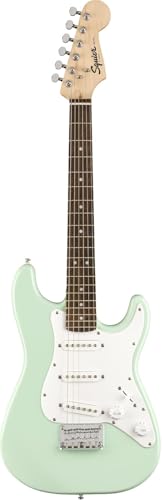
Squier Mini Stratocaster Laurel
Best for: compact travel and smaller hands
- Fretboard Material
- Laurel (what this guide is about)
- Body Material
- Poplar
- Pickup Configuration
- Single-coil
- Body Type
- Solid body
- Dimensions
- 39 × 4 × 14 inches
View on Amazon: Squier Mini Stratocaster Laurel Affiliate link
This is a 39-inch mini Stratocaster with a poplar body and a laurel fingerboard. The laurel wood provides balanced tones and smooth playability. You get three single-coil pickups with 5-way switching for tonal variety. The C-shaped neck and hardtail bridge offer comfort and tuning stability. It is a compact option suitable for smaller hands or travel.
Pros
- Laurel fingerboard for balanced tones
- Three single-coil pickups with 5-way switching
- C-shaped neck profile for comfort
- Hardtail bridge for tuning stability
- Lightweight poplar body
Cons
- Mini size limits full-scale playability
- Laurel is less common than rosewood
- No included amplifier or accessories in base model
Good fit if
- You have smaller hands or need a travel guitar
- You want a Fender-style Stratocaster in a compact form
- You prefer the balanced tone of a laurel fingerboard
Skip if
- You require a full-size 25.5-inch scale length
- You prefer the traditional feel of rosewood
- You need a guitar with a tremolo bridge system
Verdict: Fender Squier Mini Stratocaster is a compact, stable electric guitar with a laurel fingerboard. It fits players who need a smaller scale or a portable instrument without sacrificing the classic Stratocaster tone.

Leo Jaymz 39 Inch Solid Body Electric Guitar
Best for: Beginners seeking standard scale and traditional woods
- Fretboard Material
- Laurel (what this guide is about)
- Body Material
- poplar wood
- Neck Material
- maple
- Number of Frets
- 22
- Scale Length
- 24.75 inch
- Body Type
- Solid Body
View on Amazon: Leo Jaymz 39 Inch Solid Body Electric Guitar Affiliate link
This 39-inch solid body electric guitar features a poplar wood body and a maple neck with a laurel wood fretboard. It includes 22 frets on a 24.75-inch scale with a 14-inch radius. The white finish is one of several color options. This setup offers a standard scale length for comfortable playing. It suits beginners looking for a complete instrument with traditional tonal woods.
Pros
- Laurel wood fretboard provides a familiar playing surface.
- Maple neck offers stability and a bright tone.
- 24.75-inch scale length balances tension and playability.
- Solid poplar wood body keeps weight manageable.
Cons
- 14-inch fretboard radius limits extreme bending ease.
- 22-fret count restricts access to highest notes.
- 39-inch size may be large for smaller players.
Good fit if
- You want a standard scale length for versatile playing.
- You prefer a solid body design for sustain.
- You are a beginner needing a complete package.
Skip if
- You require extended range beyond the 22nd fret.
- You need a compact size for small hands.
- You prefer a curved fretboard for fast leads.
Verdict: Leo Jaymz 39 Inch Poplar Electric Guitar fits beginners seeking a standard scale and traditional wood combination. It delivers reliable playability for students starting their electric guitar journey.

SC Electric Guitar with 5W Mini Amplifier
Best for: beginners practicing at low volumes
- Fretboard Material
- Rosewood (what this guide is about)
- Body Material
- Mahogany
- Neck Material
- Mahogany
- Scale Length
- 24.75"
- Color
- Sunburst
View on Amazon: SC Electric Guitar with 5W Mini Amplifier Affiliate link
This electric guitar features a mahogany body and neck with a laurel fingerboard. It uses a 24.75-inch scale length and a comfortable C-shaped neck. Dual humbucker pickups provide a warm tone. The package includes a 5W mini amplifier. This setup suits beginners who want a complete, ready-to-play instrument for practicing at low volumes.
Pros
- Mahogany body and neck construction
- Laurel fingerboard with rounded edges
- Includes 5W mini amplifier
- Dual humbucker pickups for warm tone
Cons
- Laurel fingerboard is less durable than rosewood
- 5W amplifier limits volume for band use
- Single cutaway design restricts high-fret access
Good fit if
- You want a complete kit with an amp
- You prefer a warm, balanced tone
- You are a beginner practicing at home
Skip if
- You need high-volume stage performance
- You prefer rosewood fretboard feel
- You require fast access to upper frets
Verdict: SC Electric Guitar with 5W Amp is a practical starter kit for home practice. It fits players who value a warm tone and an all-in-one package over professional stage readiness.

Leo Jaymz DIY ST Kit Mahogany Laurel
Best for: beginners building their first guitar
- Fretboard Material
- Laurel (what this guide is about)
- Body Material
- Mahogany
- Neck Material
- Maple
- Number of Frets
- 21
- Scale Length
- 25.5"
View on Amazon: Leo Jaymz DIY ST Kit Mahogany Laurel Affiliate link
This Leo Jaymz kit lets you build a Strat-style electric guitar. It features a solid mahogany body and a maple neck with a 25.5-inch scale. The fretboard is made of laurel wood with 21 frets. The body comes pre-sprayed, saving you painting work. Plug-and-play electronics mean you can assemble it without soldering. It is ideal for beginners who want a durable, custom-built instrument.
Pros
- Solid mahogany body provides lasting durability
- Laurel wood fretboard with 21 maple frets
- Plug-and-play electronics require no soldering
- Body is pre-sprayed to save painting work
- 25.5-inch scale length for standard tension
Cons
- Requires full assembly of all components
- Laurel wood is less premium than rosewood
- Only 21 frets limit high-end reach
Good fit if
- You want to build your own guitar
- You prefer a plug-and-play wiring system
- You like a solid mahogany body
Skip if
- You need a fully assembled instrument
- You require rosewood fretboard material
- You want more than 21 frets
Verdict: Leo Jaymz ST Style DIY Kit is a practical choice for beginners who want to build a durable guitar with plug-and-play electronics and a solid mahogany body.

Leo Jaymz Hurricane Deluxe Series
Best for: Players seeking rosewood warmth and tuning stability
- Fretboard Material
- Rosewood (what this guide is about)
- Body Material
- mahogany
- Neck Material
- roasted maple
- Pickup Configuration
- humbucker
View on Amazon: Leo Jaymz Hurricane Deluxe Series Affiliate link
This Leo Jaymz electric guitar features a mahogany body and a roasted maple neck for stability. The rosewood fretboard provides a warm tone and smooth playability. Jumbo stainless steel frets offer durability. High-output Alnico V humbuckers deliver clear, aggressive sound. The locking tuners ensure precise tuning. This model suits players seeking a reliable instrument with classic tonal characteristics.
Pros
- Rosewood fretboard for warm tonal character
- Roasted maple neck for stability
- Jumbo stainless steel frets for durability
- Locking tuning pegs for precise tuning
Cons
- Single humbucker configuration limits tonal variety
- High-output pickups may lack clarity at low volumes
- Mahogany body adds weight compared to lighter woods
Good fit if
- You prefer the warm tone of rosewood fretboards
- You need stable tuning with locking pegs
- You want a durable stainless steel fretboard
Skip if
- You require multiple pickup configurations
- You prefer a lighter guitar body
- You need a maple fretboard for brightness
Verdict: Leo Jaymz Hurricane Deluxe Rosewood is a solid choice for players who value the warmth of rosewood and the stability of a roasted maple neck. It fits those who prioritize tuning stability and fret durability over tonal versatility.
Specifications side by side
| Spec | Leo Jaymz DIY Explorer Kit Mahogany Laurel | Squier Mini Stratocaster Laurel | Leo Jaymz 39 Inch Solid Body Electric Guitar | SC Electric Guitar with 5W Mini Amplifier | Leo Jaymz DIY ST Kit Mahogany Laurel | Leo Jaymz Hurricane Deluxe Series |
|---|---|---|---|---|---|---|
| Body Material | Mahogany | Poplar | poplar wood | Mahogany | Mahogany | mahogany |
| Neck Material | Mahogany | not stated | maple | Mahogany | Maple | roasted maple |
| Fretboard Material | Laurel Wood | Laurel | laurel wood | Laurel | Laurel wood | rosewood |
| Pickup Configuration | 2 Humburker pickups | Single-coil | not stated | not stated | not stated | humbucker |
| Number of Strings | 6 | not stated | not stated | not stated | not stated | not stated |
| Body Type | not stated | Solid body | not stated | not stated | not stated | not stated |
| Number of Frets | not stated | not stated | 22 | not stated | 21 | not stated |
| Scale Length | not stated | not stated | 24.75 inch | 24.75" | 25.5" | not stated |
| Color | AX | Surf Green | White | Sunburst | ST-Metallic Green | Blue Colorful Deluxe |
| Dimensions | 3.2 × 27.6 × 13 inches | 39 × 4 × 14 inches | not stated | not stated | not stated | not stated |
| Size | full-size | Mini | 39 Inch | not stated | 25.5 inches | not stated |
| Model | SNGK008 | AUS-0370121557 | LJNSG | CLYY-001 | YG-001 | MG-1001 |
Frequently asked questions
Does laurel fretboard sound different from rosewood?
Yes, the materials produce distinct tonal characteristics. Laurel offers a bright, articulate tone with strong note definition due to its density. Rosewood provides a warmer, richer sound with enhanced sustain. You will notice the difference in clarity versus warmth when playing.
Is laurel good for beginners?
Laurel is a practical choice for students. It is dense and hard, contributing to tuning stability and durability. Several beginner kits, like the Leo Jaymz models, use laurel for its reliable playability. It offers a smooth finish that helps new players focus on technique.
Which fretboard material is better for blues?
Rosewood is often preferred for blues and jazz. Its warm, rich tones and smooth playability suit these genres well. The material enhances sustain, allowing notes to ring out longer. If you prioritize warmth over brightness, rosewood is the better specification to look for.
How does fretboard material affect playability?
The material influences tactile feedback and smoothness. Laurel provides a hard surface that aids in tuning stability. Rosewood feels smoother under the fingers, facilitating faster movement. Both materials offer durability, but the finish and density change how the neck feels during extended practice sessions.
Can I find laurel on compact guitars?
Yes, compact instruments often feature laurel fretboards. The Squier Mini Stratocaster uses a laurel fingerboard for its smaller scale. This material works well in travel-sized bodies, maintaining tone and stability despite the reduced dimensions. It is a common choice for portable electric guitars.
Does rosewood require more maintenance?
Rosewood is a porous wood that may benefit from occasional oiling to maintain its finish. Laurel is dense and often finished smoothly, requiring less frequent conditioning. Both materials are durable, but rosewood's natural oils can dry out if not cared for in dry climates.